
VR in the Classroom: A Complete Practical Guide for Schools
Virtual reality in schools sounds daunting and expensive — it doesn't have to be. A practical guide to using VR and 360° worlds in the classroom, from no-headset starts to full headset rollouts, with the benefits, delivery models and safety you need.
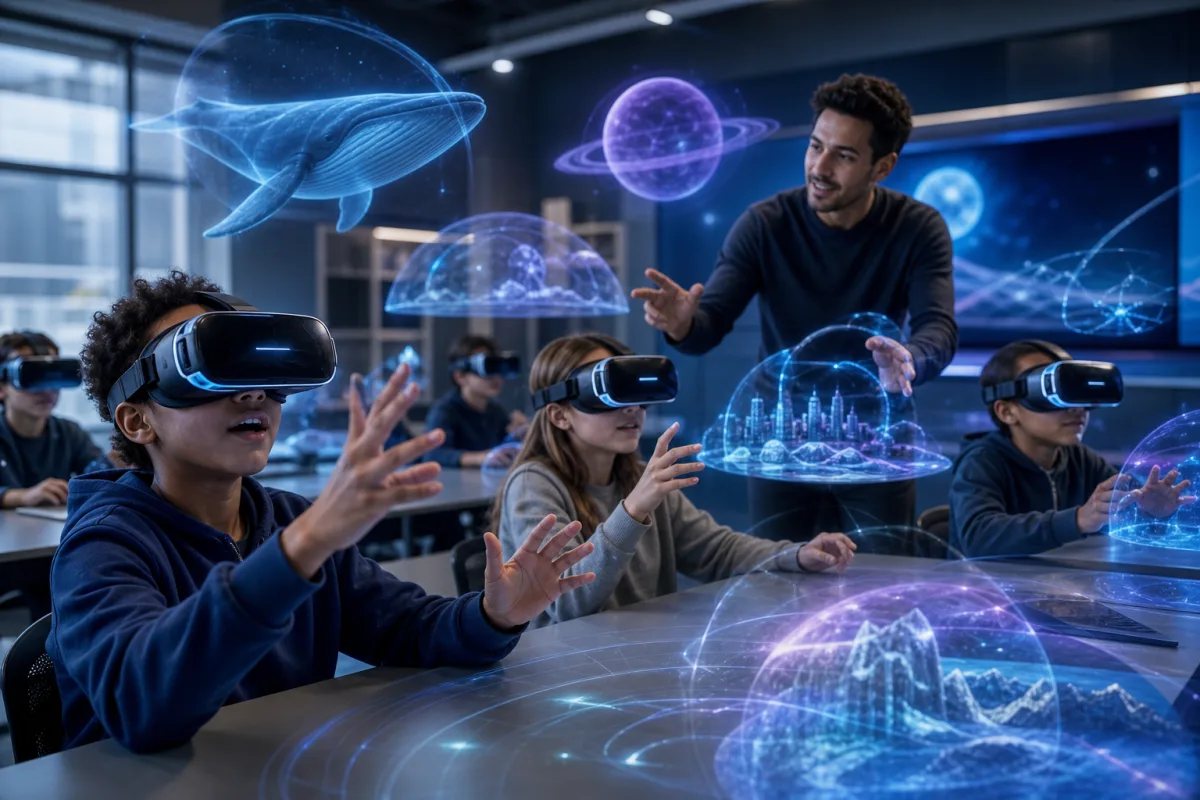
Key Takeaways
- VR in the classroom ranges from a projector to a full class set of headsets — start where you are.
- The biggest wins are access to impossible places and deep engagement.
- A rotation model with a few headsets is the most practical starting point for most schools.
- Hygiene, session length and supervision are the main practicalities to plan for.
- Browser-based 360° worlds mean you can begin with zero new hardware.
- Separate the content (the worlds) from the hardware (the headset) — the content is the value.
Virtual reality in schools has a reputation problem: expensive headsets, fiddly setup, motion sickness and a cupboard full of devices nobody uses. The reality in 2026 is far more practical. You can bring the core benefit of VR — putting students inside a subject — into your classroom this week, and scale up only when it's genuinely worth it. This guide shows you exactly how, from a no-headset start to a full rollout.
What "VR in the classroom" really means
It helps to separate two things people habitually lump together:
- Immersive content — 360° worlds you can look around and explore, like a reconstruction of Roman London or a journey through the solar system.
- VR hardware — headsets that deliver that content with full head-tracked presence.
The valuable part is the content. The headset is simply the most immersive way to deliver it. That single distinction is what makes classroom VR affordable and approachable: the same world that shines in a headset also works on your projector and your tablets. If you understand nothing else about school VR, understand this — you're buying into content, and hardware is an optional amplifier. For the underlying theory, see what is immersive learning?.
The three delivery models
There isn't one way to "do VR" in a classroom — there are three, and most schools move through them in order.
1. Whole-class (no headsets)
Project a 360° world onto the board or interactive whiteboard and lead the class through it, deciding together where to look. This is the easiest possible start — no new hardware, no management overhead — and it's genuinely effective for a shared virtual field trip. The teacher stays in control of pace and focus, which makes it ideal for introducing a topic or running a guided enquiry with the whole room.
Don't underestimate this model. A well-run whole-class exploration with a strong question delivers most of the learning value of VR with none of the logistics.
2. Small-group rotation
Add a handful of headsets or tablets. While one group explores in headsets, the rest work on a related task, then rotate. This is the sweet spot for most schools: a fraction of the cost of a full class set, most of the impact, and manageable supervision. Four to six headsets is often enough to run a smooth rotation for a full class within a single lesson.
The rotation model also solves the age-guidance problem neatly — you can offer headsets to the students they're suitable for while others use tablets, and everyone experiences the same world.
3. One-to-one
A full class set gives every student their own headset simultaneously. It's the most immersive option and the most demanding to run — best reserved for schools that have committed to VR, built the routines to support it, and have the technical support to keep a set of devices charged, updated and working.
Getting the practicalities right
Classroom VR succeeds or fails on logistics. Handle these and the technology fades into the background:
- Session length. Keep individual headset time to 10–15 minutes. It's plenty for a focused exploration and avoids fatigue or discomfort.
- Hygiene. Wipe headsets between users; washable or disposable face covers make this quick and are worth buying up front.
- Supervision and space. Students in headsets can't see the room, so keep the space clear and keep them seated or in a defined area, and keep a direct eye on the group in headsets.
- Cast the view. Mirroring one headset to the board keeps the class shared, lets you guide the experience, and gives students out of headsets something to follow.
- Age guidance. Follow the manufacturer's minimum age (often 13) for headsets; younger classes use the projector or tablet route, which delivers the same content.
- Motion comfort. 360° worlds are largely stationary "look around" experiences, which are far more comfortable than fast-moving VR games. Still, let any student stop the moment they feel uneasy.
Why bother: the classroom payoff
Done well, VR earns its place because it delivers things ordinary teaching can't:
- Access to the impossible. Visit the distant past, the deep ocean, or inside the human body — places no coach could ever reach.
- Engagement. Presence captures attention in a way slides simply can't, and attention is the gateway to learning.
- Retention. Spatial, emotional experiences are remembered far longer than passively received facts.
- Inclusion. Every student joins, including those who can't do physical trips — see immersive learning for SEND.
These map directly onto the wider case in 7 benefits of immersive learning for students. And as always, the gain depends on pairing the experience with a clear purpose rather than treating it as a novelty.
Why browser-based VR is easier
Traditional classroom VR meant installing and updating apps on every headset and getting each one through app-store approvals — a real and recurring IT burden that sank many well-intentioned VR programmes. 360Worlds runs in a web browser on computers, tablets and headsets, which removes the single biggest headache:
- No installs — open a link and go.
- No per-device updates to chase.
- One platform, every device — computer, tablet and headset all run the same worlds.
Students can use a dedicated headset viewer for smoother sessions, but nothing needs approving or deploying to the app store. For the full answer on hardware, read do you need a VR headset to use 360Worlds?.
Common concerns, answered
- "We can't afford it." Start whole-class on the board for free-of-hardware immersion, then add a small shared set only if it proves its worth.
- "It'll be chaos." The rotation model with cast-to-board keeps the class together and gives everyone a task. Short sessions keep energy focused.
- "Our students are too young for headsets." Then use the projector or tablet route — the worlds are identical, and whole-class delivery is often pedagogically better for younger classes anyway.
- "IT won't allow it." Browser-based delivery means no installs, which is usually far easier for IT to approve than app-based VR.
How to start this term
- Pick a world that matches a topic you're teaching from the library.
- Run it whole-class on the board for ten minutes with a clear question and a looking task.
- Debrief and see how it lands — most teachers are surprised by the engagement.
- If it works, add a few headsets and try the small-group rotation model.
That's a realistic path from zero to a working classroom-VR routine without a big budget or a leap of faith. Plan each session using how to plan a virtual field trip, and when you're ready to scale across the school, 360Worlds for schools is built for exactly this — view pricing or book a demo.
- #vr in the classroom
- #virtual reality education
- #vr in education
- #classroom technology
- #vr headsets
- #edtech
Frequently Asked Questions

The 360Worlds Team
Immersive Learning Specialists
We build immersive educational worlds that let learners explore history, science, geography, space and nature through interactive 360° experiences.
Related Articles
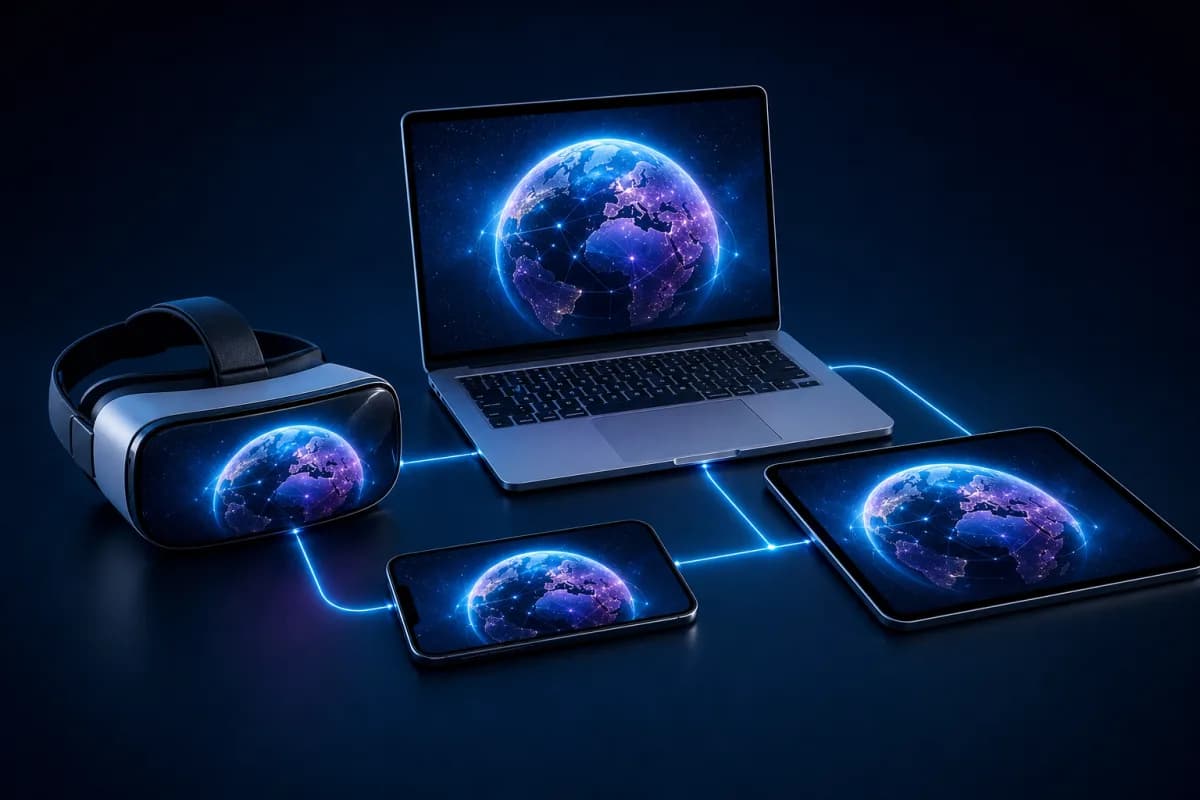
Do You Need a VR Headset to Use 360Worlds? The Complete Answer
Short answer: no. 360Worlds runs in any web browser, on any device. Here's exactly what works with and without a headset, what a headset adds, when it's worth it, and why browser-based immersive learning is so much easier for schools.
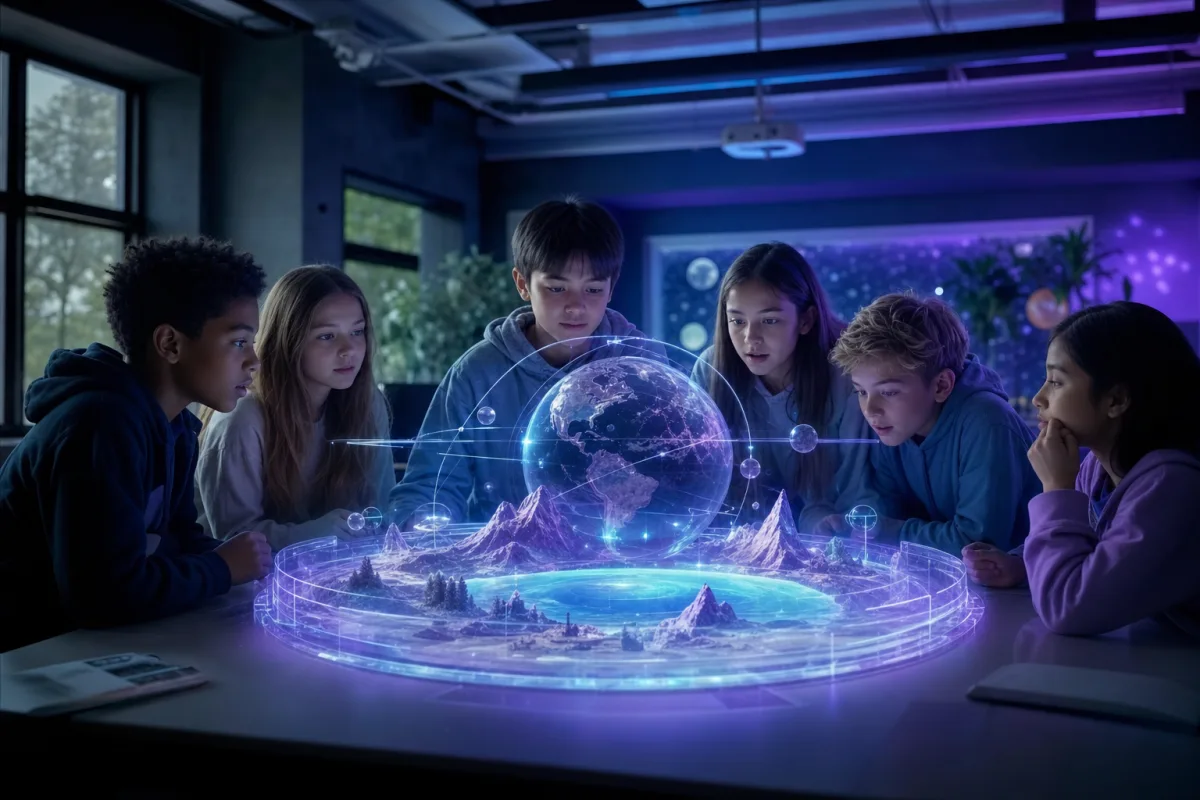
What Are Virtual Field Trips? A Complete Guide for Teachers, Parents and Schools
Virtual field trips let a class explore anywhere — the pyramids, a coral reef, Roman Londinium or the surface of the Moon — without leaving the room. Here's what they are, how they work, their benefits, and how to run one well.

Immersive Learning Explained: What It Is, Why It Works and How It's Transforming Education
Immersive learning places students inside realistic digital environments — through VR, 360° worlds and interactive simulations — so they explore and discover rather than passively read. Here's what it is, why it works, and how to use it in any classroom.